A market in transition, not retreat
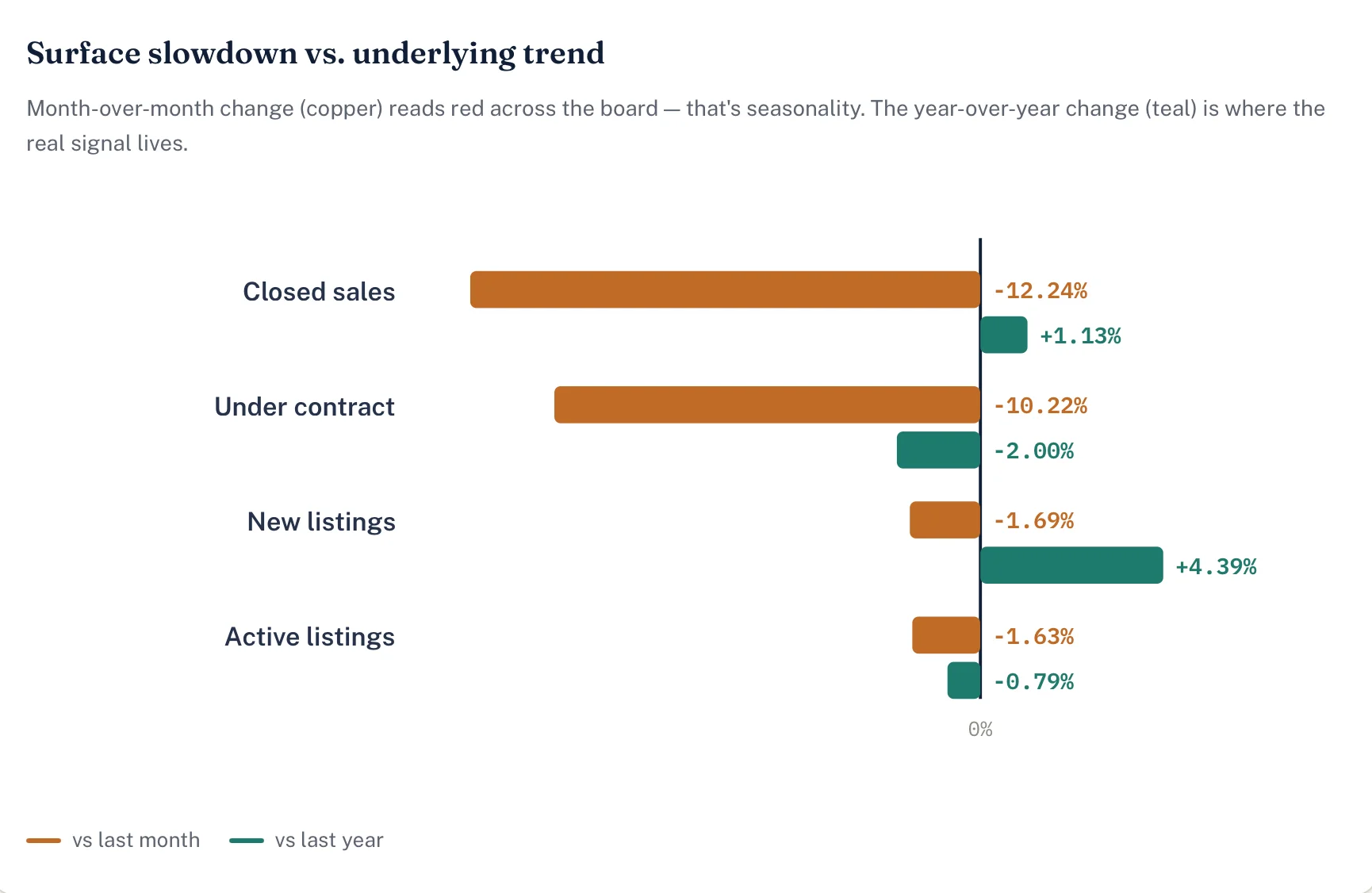
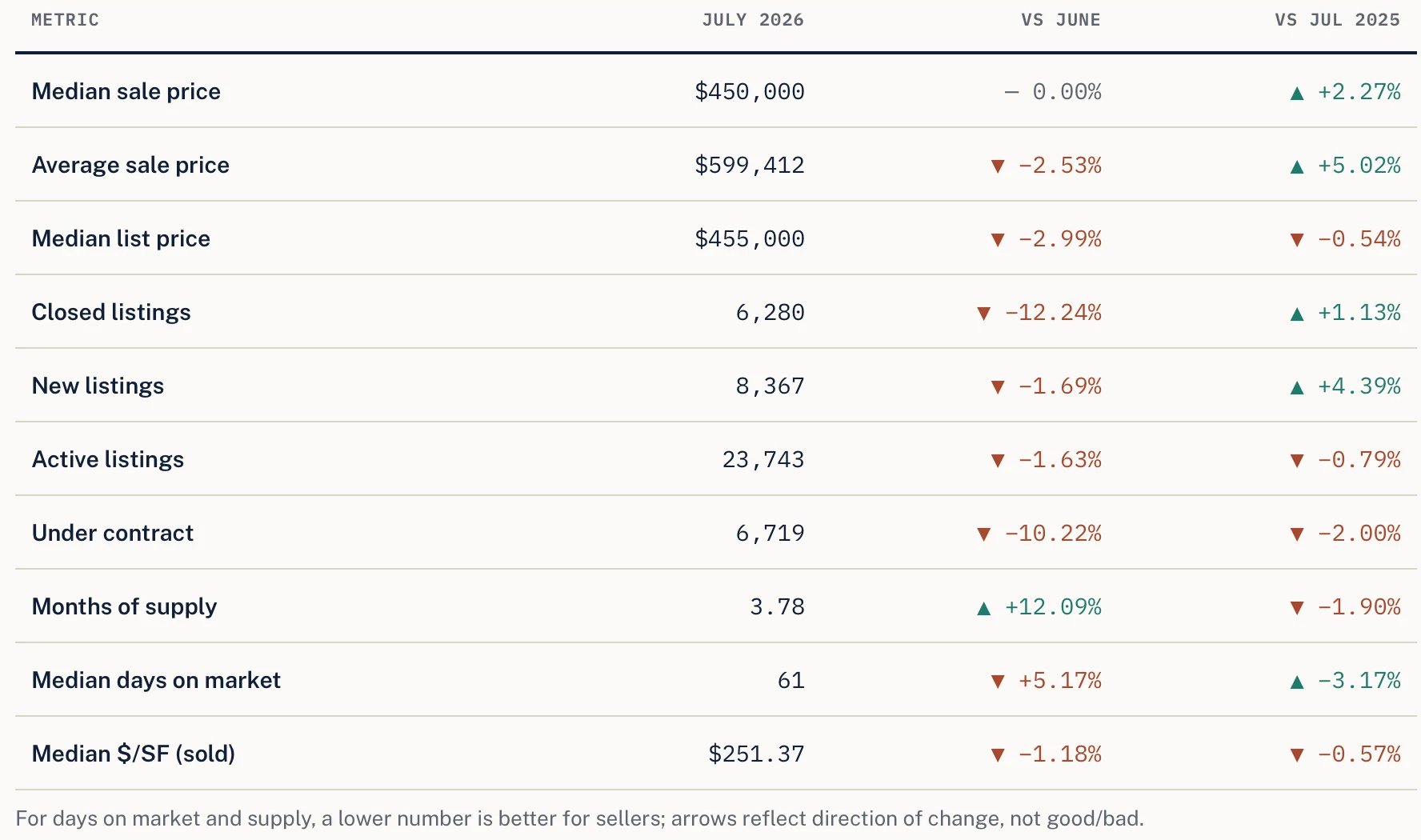
The July 2026 ARMLS data tells a steady story dressed up as a slow one. On the surface, almost every count fell from June: closed sales dropped 12.24%, homes under contract slipped 10.22%, and new listings eased 1.69%. But those declines are mostly the Phoenix summer doing what it always does — buyers and sellers wait out the heat.
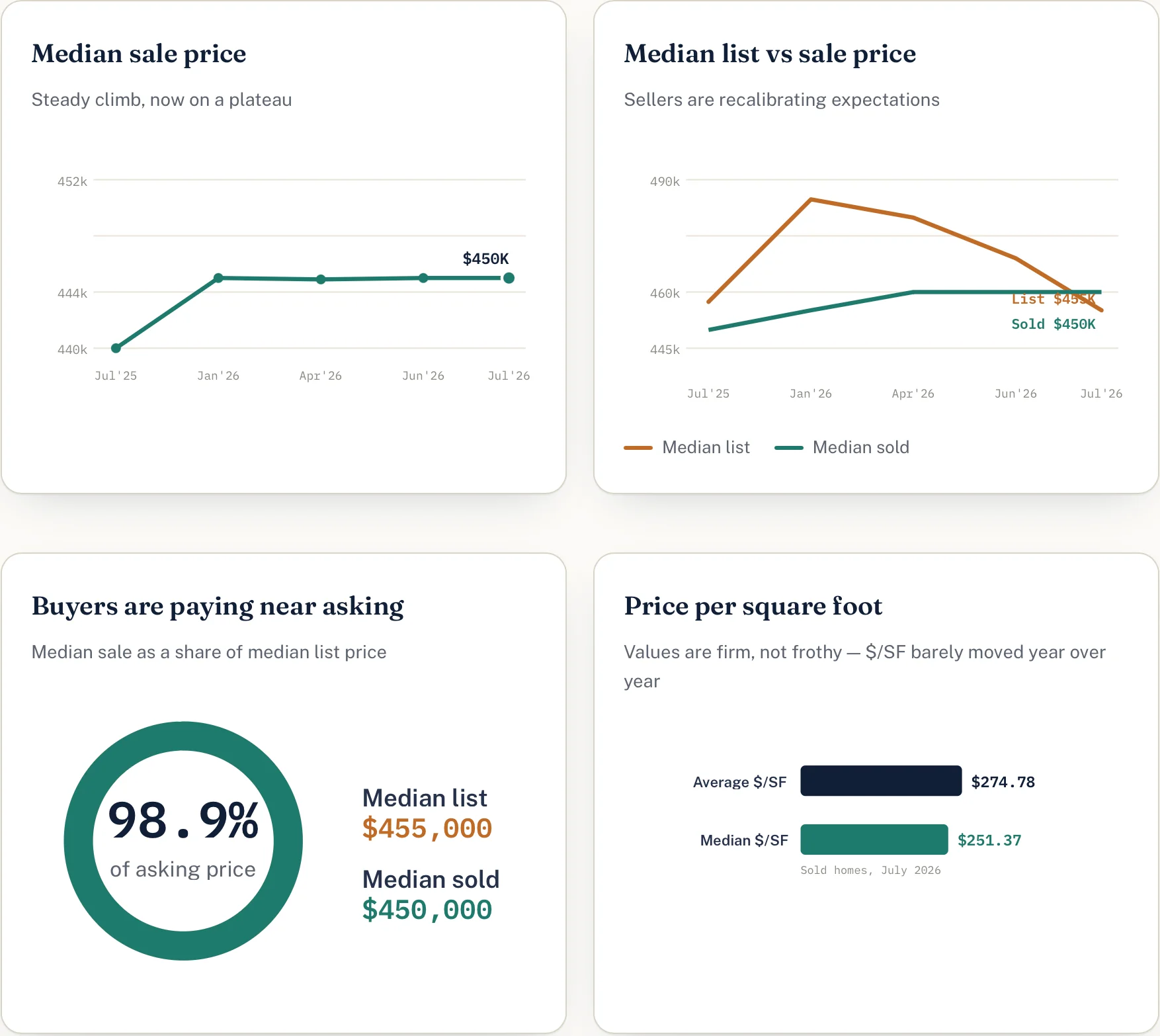
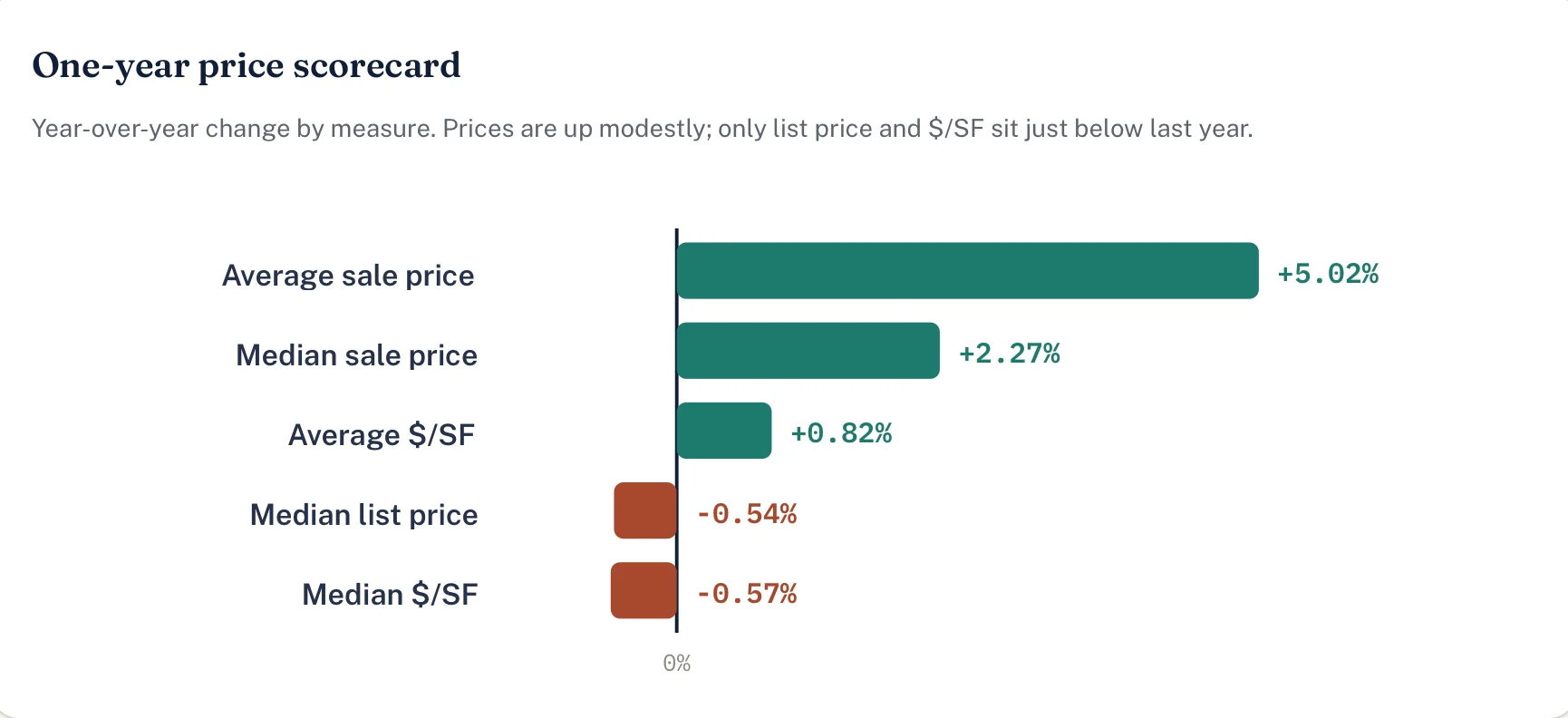
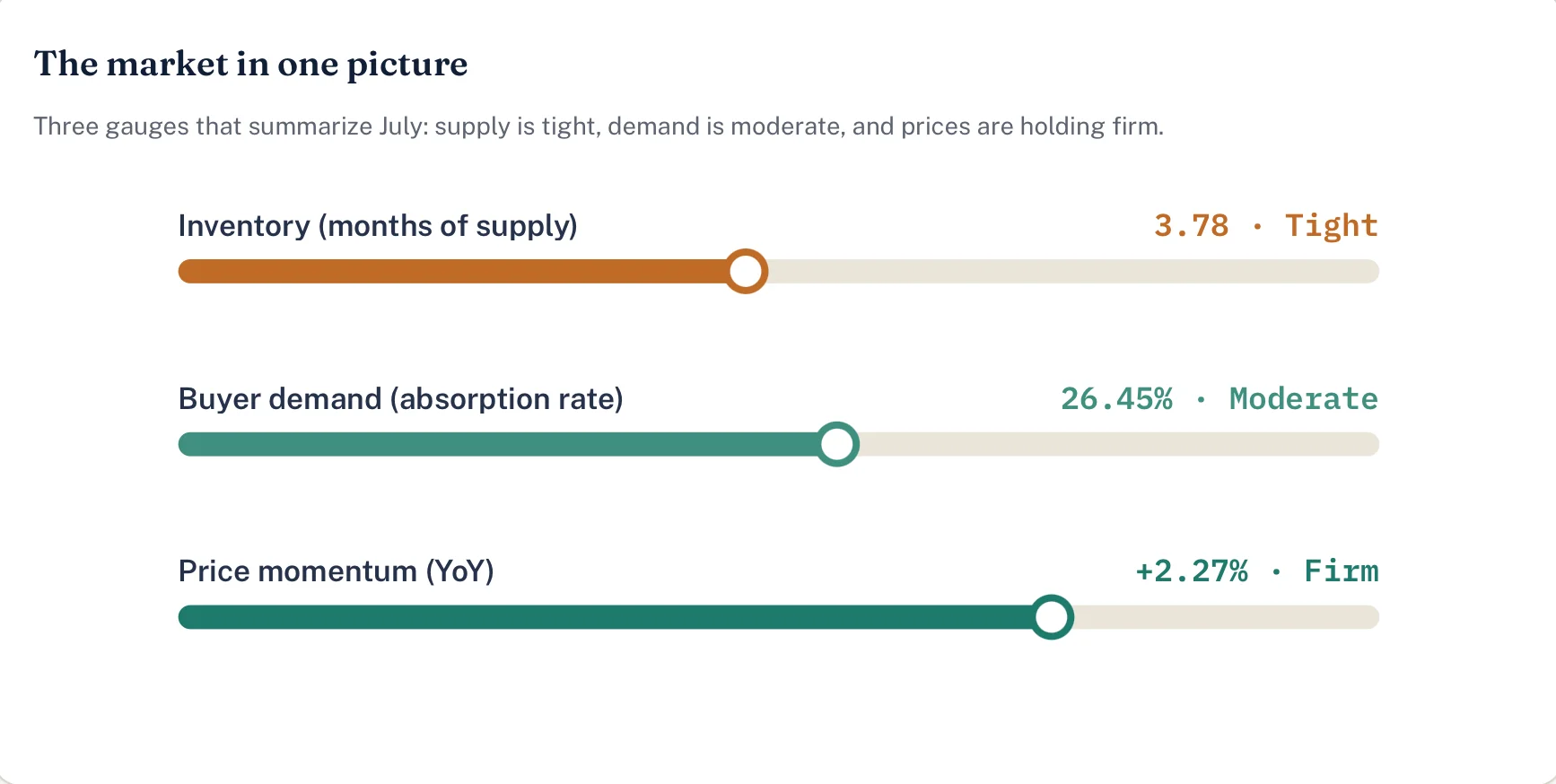
Look year over year, where seasonality washes out, and the picture is one of resilience. The median sale price held at $450,000 — flat from June and up 2.27% from July 2025. Closed sales edged up 1.13% versus last year. In ARMLS’s own words, the first half of 2026 showed a market “slowly correcting its imbalance”: demand has firmed up enough to stop prices from sliding, but not enough to push them higher.
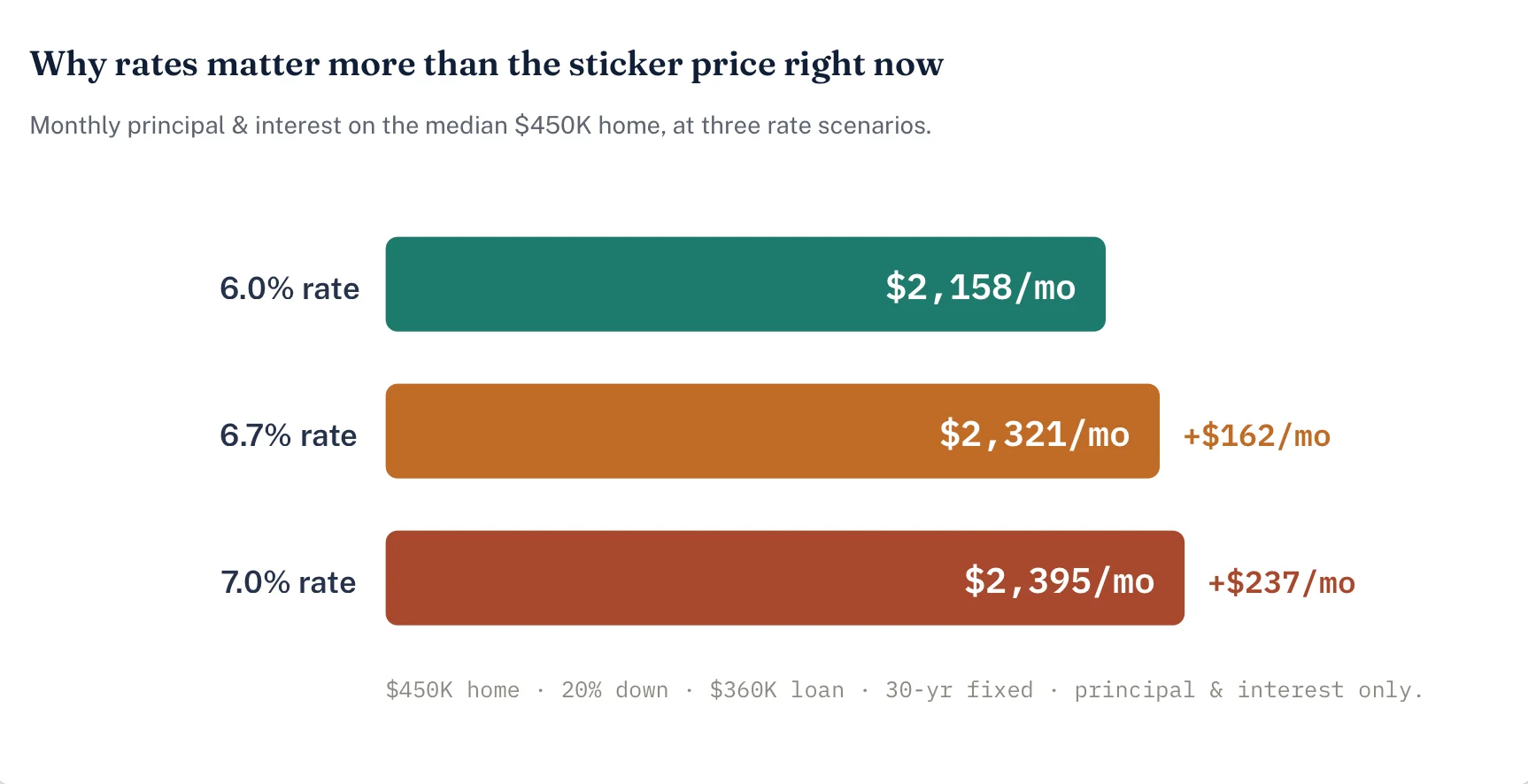
The new pressure point is financing. The average 30-year fixed mortgage rate climbed to roughly 6.69% in early August 2026 — its highest level in over a year, according to Freddie Mac — quietly erasing the affordability gains buyers picked up earlier in the year. That’s the headwind behind July’s softer contract activity.
Sale prices plateaued; list prices blinked first
The most telling gap in July’s data is between what sellers ask and what buyers pay. The median list price slid to $455,000 (down 2.99% for the month), while the median sale price stayed locked at $450,000. That narrow $5,000 spread is the market’s way of saying: priced right, homes still sell close to ask — but the room for aspirational pricing has closed.
Average prices tell the same story with more noise: the average sale price was $599,412 (up 5.02% year over year) while the average list price fell to $608,057. Price per square foot on sold homes held near $251 (median) — down less than 1% from a year ago.
Inventory is tight enough to hold the floor under prices
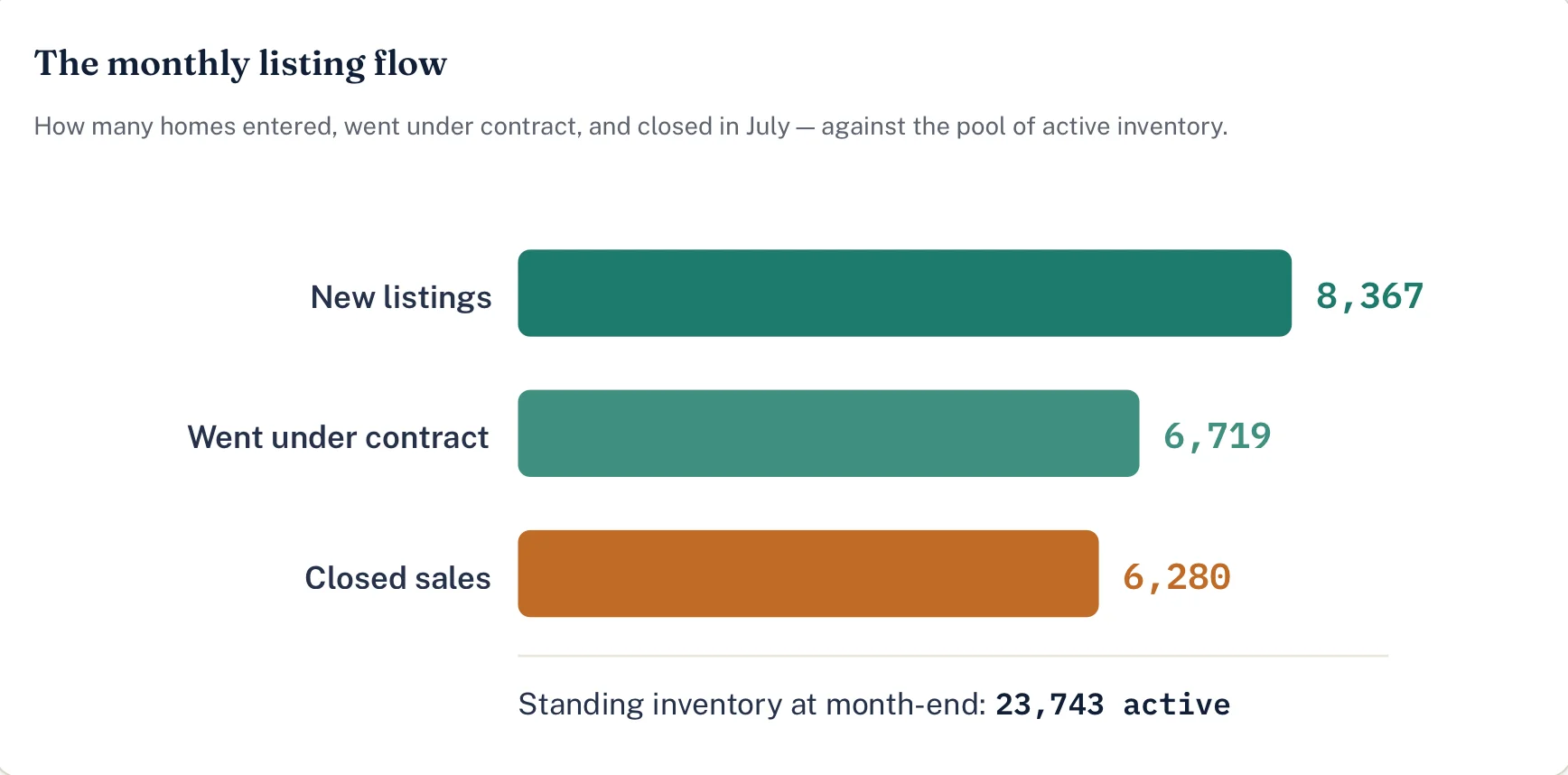
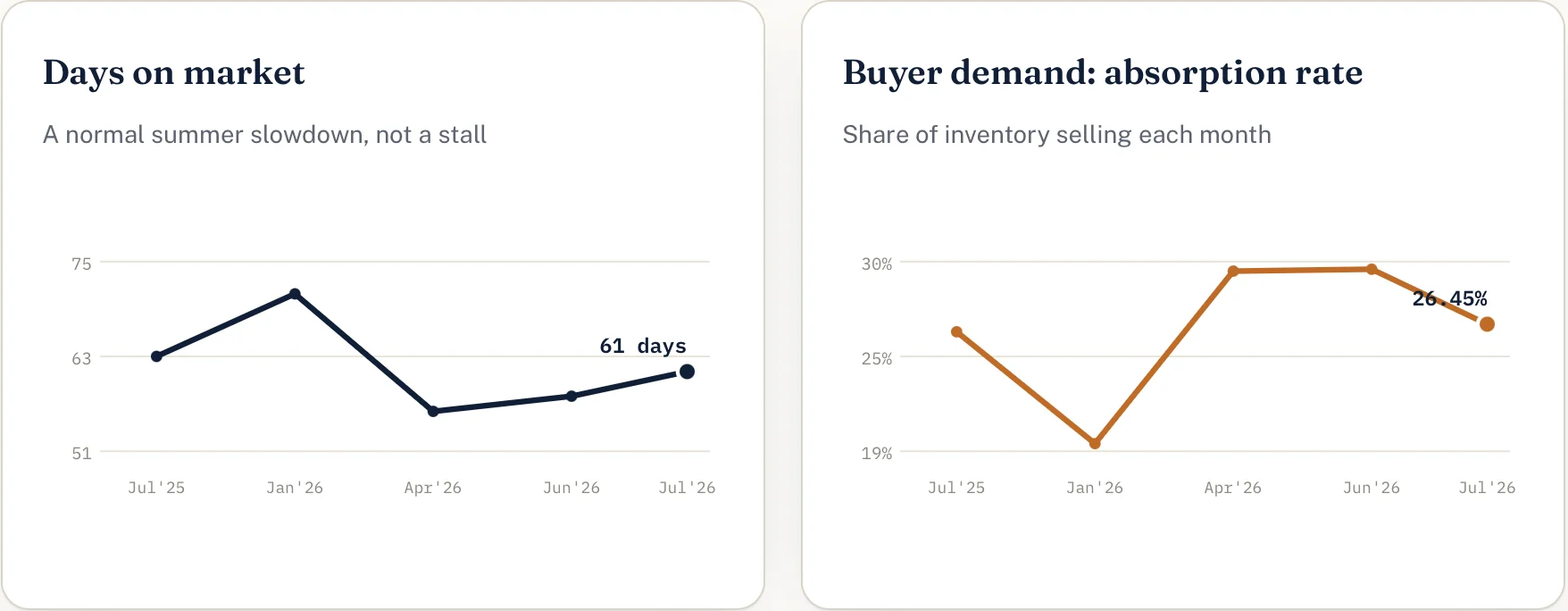
Greater Phoenix carried 23,743 active listings in July — down 1.63% from June and slightly below a year ago. At the current sales pace, that’s 3.78 months of supply. By the textbook, anything under four months leans toward sellers; the reason it doesn’t feel like a seller’s market is that demand is thin enough to keep homes on the market longer and hand buyers negotiating power.
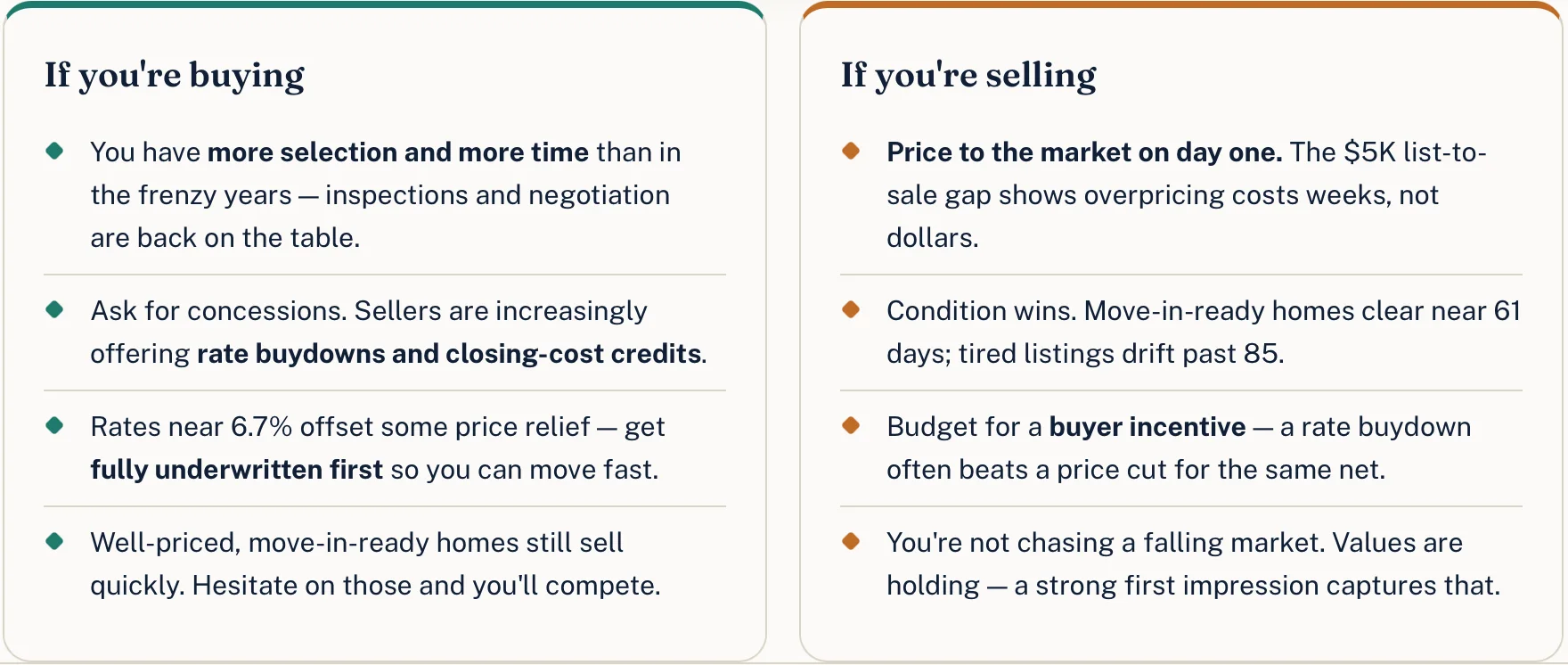
The playbook for buyers and sellers
July 2026 at a glance
Phoenix market FAQ
Is the Phoenix housing market going up or down in 2026?
Holding, not falling. As of July 2026 the median sale price was $450,000 — flat month over month and up 2.27% year over year. List prices have softened, but tight inventory is keeping actual sale prices firm.
Is it a buyer’s or seller’s market in Phoenix right now?
It’s balanced, with the edge in negotiation going to buyers. Months of supply (3.78) is technically seller-leaning, but longer days on market, seller concessions, and a sale-to-list ratio near 99% mean prepared buyers have real leverage.
Why did sales drop so much from June to July?
Mostly Phoenix summer seasonality — activity always cools in the heat — layered on top of mortgage rates hitting their highest level in over a year. Year over year, closed sales were actually up slightly.
Should I wait for prices or rates to drop before buying?
There’s no sign of a price drop — values are stable — and major forecasters expect rates to stay near 6.4–6.5% through the rest of 2026. Waiting risks paying more later while missing today’s negotiating room. Your best move depends on your finances; that’s a conversation worth having with an agent and lender.